
A damaged water line can be a nightmare for Office buildings, Plants, commercial facilities, and homeowners in New Jersey. Leaks, bursts, or outdated pipes don’t just disrupt your business and life, they can cause costly damage to your facility and property, like weakened foundations, soggy lawns, or even mold inside your walls. And let’s not forget those sky-high water bills that come with it.
At CRI, we specialize in water line repair in New Jersey, ensuring fast, hassle-free solutions for your business or home. Whether it’s a small leak, a full pipe replacement or a new installation, we get the job done quickly and efficiently. Our cost-effective services mean you don’t have to compromise on quality.
If your water line is leaking, don’t wait until it gets worse. Call CRI for reliable repairs, installations, or replacements that restore your water flow and your peace of mind in no time.
What is Water Line and Fire Line?
In essence, a “water line” refers to the general plumbing system that delivers potable water to a building or property, while a “fire line” is a dedicated water supply system for firefighting purposes. These pipes are usually located underground, running beneath the roadway and connecting a business or home to the municipal system.

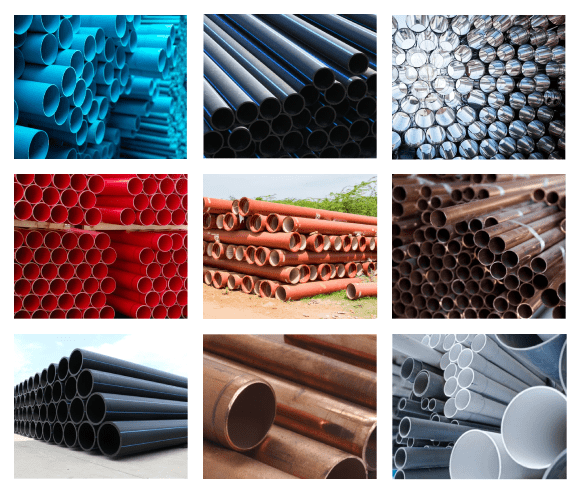
Materials Used in Water and Fire Service Lines
Copper: A durable, corrosion-resistant metal.
Galvanized Steel: Steel pipes coated with zinc to prevent rust, though they can corrode over time.
Lead: Commonly used in older systems but now recognized as a health hazard due to lead contamination.
Plastic (PVC or PEX): Modern, cost-effective materials resistant to corrosion and increasingly popular in newer installations.
Ductile iron: A pipe made of ductile cast iron is commonly used for potable water transmission and distribution.
Cement-mortar lined ductile iron: A ductile iron pipe with cement lining on the inside surface is commonly used for water distribution.
When Should You Repair Your Main Water Line?
In New Jersey, the necessity to repair your main water line depends on several factors, including the material of the pipes, their age, and any issues you’ve been experiencing. Here’s how to know if your water line is leaking and what to do:

Higher Water Bills, Same Usage: Your water bill is suddenly higher, but you haven’t been using more water. A hidden leak could be to blame.
Lush, Overgrown Grass Patches: Areas of your lawn that appear greener or grow faster than the surrounding grass might be absorbing water from a hidden leak.
Visible Water Bursts: In severe cases, you might see muddy water bubbling up from the ground or parking lot. If this happens, it’s time to act fast!
Soggy Spots in Your Yard: Is part of your lawn looking like a swamp while the rest is dry? This is a classic sign of a leaking underground pipe.
If you notice any of these warning signs, first contact your water company, as the valve that must be shut off is owned and operated by them and they have to shut down the water to the building. Next, contact CRI to get fast, reliable, and professional water line repair in New Jersey.
Reasons Water Lines Leak or Burst in New Jersey
Water lines develop leaks or even bursts for a variety of common reasons, including wear and tear over time, sudden changes in temperature, excessive water pressure, or damage caused by external factors like tree roots or construction work.

Extreme Temperatures: Very cold temperatures can freeze the water inside pipes, causing it to expand and burst the pipes. On the other hand, extremely hot temperatures can make the soil shift, putting pressure on underground pipes and increasing the risk of leaks or ruptures.
High Water Pressure: Pipes are designed to handle specific pressure levels. When water pressure exceeds these limits, it strains the pipes and increases the risk of cracks or leaks.
Corrosion: Over time, chemical reactions between water or soil and the pipe material can cause corrosion. This weakens the pipes and makes them more prone to leaks or bursts.
Soil Shifts and Environmental Factors: Natural events like earthquakes, heavy construction, or even small ground movements can shift the soil. This movement places stress on pipes, often leading to cracks, leaks, or even complete failure.
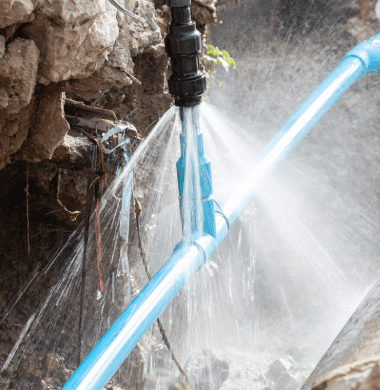
Tree Root Intrusion: Roots from trees and shrubs naturally grow toward water sources. When they invade water lines, they can block the flow, cause leaks, or even rupture the pipes entirely.
Age and Deterioration: As pipes age, they naturally weaken, especially if they’re made from outdated materials. This aging process significantly raises the likelihood of leaks and bursts.
Accidental Damage: Construction or landscaping activities often damage pipes unintentionally. Even minor damage can lead to immediate leaks or compromise the pipe’s integrity over time.
Improper Installation: Pipes that are not installed correctly or joined properly are much more vulnerable to leaks and bursts, particularly under pressure or stress.
Understanding these causes can help you take preventive measures to protect your water lines. Or better yet, trust CRI for a full water line inspection!
When Should You Replace Your Water Line Instead of Repairing It?
Replacing your water line isn’t always the first solution that comes to mind, but in some cases, it’s the smarter, more cost-effective choice. Knowing when to replace instead of repair can save you time, money, and hassle. Here are the situations where replacement is often the better option:

Age of the Water Line: Older water lines, especially those over 50 years old, are more prone to deterioration. If the line is nearing the end of its lifespan, replacing it can prevent repeated repairs and future failures.
Lead or Galvanized Steel Lines: If your water line contains lead or galvanized steel, replacement is a safer option. These materials are known to corrode and can contaminate your water.
Frequent Repairs Needed: When a water line requires constant repairs, the cost and inconvenience add up. At some point, replacing the line becomes more cost-effective than continually fixing recurring issues.
Low Water Pressure: Persistent low water pressure caused by mineral buildup, internal corrosion, or leaks often indicates that the water line has deteriorated. In these cases, a replacement will resolve the issue more effectively than patch repairs.


Discolored Water: Rusty or discolored water is often a sign of corrosion inside the pipes. While repairs might temporarily improve water quality, replacing the line ensures a long-term solution.
Major Leaks or Breaks: If a water line suffers a significant leak or break, particularly in older or compromised pipes, replacing the entire line is typically more reliable than attempting repairs.
Cost Comparison: When the cost of repairing a water line approaches or exceeds the cost of replacement, it’s usually more practical to invest in a new line. Modern materials also offer improved longevity and performance.
Replacing a water line is a long-term solution that can improve water quality, enhance reliability, and prevent future emergencies. When facing repeated issues or outdated materials, replacement is often the smarter choice.
If you’re still unsure whether your water line needs repair or replacement, call CRI for a thorough inspection. Our experts will assess your situation and provide a reliable solution. Whether your water line requires a quick repair or a full